


New! Pediatric Mind Body Medicine Symposium CME – May 7-8, 2026
Author: Jocelyn Meek
New! Pediatric Mind Body Medicine Symposium CME – May 7-8, 2026
Join us for the first-ever Pediatric Mind Body Medicine Symposium, a Harvard Medical School CME sponsored by the Pediatric Mind-Body Medicine Program, Child Resiliency Program(CRP) and the Benson-Henry Institute for Mind Body Medicine (BHI) at Mass General Hospital.
The course will be held live at the Coolidge Corner Theater in Brookline, MA and via livestream May 7-8, 2026. The symposium brings together leading experts in mind-body medicine, psychology, psychiatry, trauma studies, gastroenterology, neurology, and complementary medicine, including music, art, and body-based therapies, to educate health care professionals about the vital connections between mental, emotional, and physical health in young people.
“We’re very excited to announce a first-of-its-kind CME conference that will bring together clinicians, researchers, and creative healers from the fields of music-, art- and body-based therapies to explore the profound connections between mental, emotional, and physical health in youth facing complex challenges. We chose the beautiful and historic Coolidge Corner theater to make explicit what seems to have been forgotten, that the arts and sciences are both necessary for whole-person health,” said Mark Salvatore, MD, Founding Clinical Director of the Pediatric Mind-Body Medicine Program at Mass General Brigham for Children.
The two-day CME will empower healthcare providers with practical, evidence-based mind-body approaches to help manage chronic, often complex health conditions such as anxiety, depression, PTSD, disorders of gut-brain interaction, and functional neurologic disorders.
Participants will get the latest research and best practices in mind body approaches to treating physical and mental health conditions, as well as patient and caregiver perspectives.
“Fundamentally, helping our children develop mind body skills is the bedrock for a healthy society,” said BHI Medical Director Darshan Mehta, MD, MPH. “This course is a first at Harvard to dive into the research and practice of mind body skills in pediatrics.”
For more information or to register, visit https://learn.hms.harvard.edu/programs/pediatric-mind-body-medicine-symposium
Harvard Medical School designates this live activity for a maximum of 12.25 AMA PRA Category 1 Credit(s)™. Physicians should claim only the credit commensurate with the extent of their participation in the activity.
Mass General Brigham and Recora Announce Collaboration on Cardiac Program
NEW YORK, September 16, 2025 (Newswire.com) – Mass General Brigham (MGB) and Recora today announced a collaboration to broaden access to the Benson-Henry Institute for Mind Body Medicine (BHI) Intensive Cardiac Rehabilitation (ICR) program. This program is one of only three intensive cardiac rehabilitation models nationally approved by Medicare. It is distinguished by its integration of evidence-based stress management, mind-body medicine, nutritional guidance, supervised exercise, and standard cardiac risk factor reduction.
The BHI ICR model has demonstrated strong clinical outcomes. In Medicare’s Lifestyle Modification Program demonstration, participants showed lower mortality rates at one and three years compared to matched controls, as well as significantly fewer hospitalizations and decreased overall costs per beneficiary. Through this collaboration, Recora will help deliver the BHI ICR program, enabling virtual and in-person options to patients nationwide.
After an extensive and diligent process, Recora was selected for its innovative leadership in virtual cardiac rehabilitation. Recora currently partners with health systems and medical groups nationwide to deliver virtual cardiac rehabilitation, helping reduce barriers to access and improve patient completion rates.
Recora’s model has already shown the potential to transform outcomes. A study published in the Journal of the American Heart Association found that patients enrolled in Recora’s program significantly improved compared to those in traditional, center‑based rehabilitation. Results at one year showed a 38% reduction in hospital readmissions, a 44% decrease in emergency department visits, and a 16% reduction in total healthcare costs.
This collaboration comes at a critical time for cardiovascular care. Heart disease remains the leading cause of death in the United States, yet participation in cardiac rehabilitation is frequently lower than 25%, mainly due to access barriers. Stress has been increasingly associated with cardiovascular disease.
“Expanding access to evidence-based, comprehensive cardiac rehabilitation is vital for both our patients and our health systems,” said Kaavya Paruchuri, MD, Clinical Operations Director for Cardiovascular Medicine at Massachusetts General Hospital. “By extending the ICR program through both in-person and virtual platforms, we can reach patients who might otherwise have no access to cardiac rehab, particularly those living in rural communities or healthcare deserts. This approach not only broadens access but also has the potential to deliver meaningful improvements in outcomes and quality of life for individuals with cardiovascular disease.”
The BHI ICR program was originally developed by Dr. Herbert Benson, a cardiologist and pioneer in mind-body medicine. “For decades, Dr. Herbert Benson championed the role of stress management and resiliency in improving health outcomes,” said Darshan Mehta, MD, MPH, Medical Director of BHI-MGH. “This collaboration with Recora honors Dr. Benson’s vision by expanding his innovative cardiac wellness model to benefit patients beyond our hospital’s walls. We are thrilled to see the integration of supervised exercise, nutrition, and evidence-based stress reduction reach a national audience, helping more individuals recover and thrive after cardiac events.”
Mass General Brigham is an integrated academic healthcare system, committed to patient care, research, teaching, and service to the community. Recora is a leading healthcare technology company dedicated to enhancing patient outcomes.
MGB Investment in Employee Wellness Increases Wellbeing, Study Shows
Mass General Brigham’s investment in employee mental health is paying dividends in increased wellbeing, a study of the Benson-Henry Institute for Mind Body Medicine’s (BHI) Stress Management and Resiliency Training (SMART-3RP®) program demonstrates.
“Helping healthcare workers manage stress is essential for their well-being, the quality of care they provide, and the broader healthcare system. While systemic changes are needed, the SMART-3RP intervention helps build personal skills that effectively support stress management,” said Research Coordinator Natalie Durieux, lead author of the study.
Healthcare workers (HCWs) face an elevated risk of chronic stress due to the demands of their profession, which, when left unmanaged, can negatively impact both mental and physical health. The COVID-19 pandemic further underscored the need for effective interventions to support HCW well-being.
“The Stress Management and Resiliency Training Program showed remarkable effectiveness, with participants experiencing substantial improvements across all measured outcomes, including stress coping skills, perceived stress levels, and positive emotional states, which were particularly noteworthy. These findings demonstrate that even during unprecedented healthcare system strain, structured interventions can provide employees with effective tools to navigate stress and maintain their well-being,” said BHI Medical Director Darshan Mehta, MD, MPH.
The study, published in Global Advances in Integrative Medicine and Health, examined changes in stress and resiliency outcomes among more than 250 MGB employees who participated in the SMART-3RP clinical program during and after the COVID-19 pandemic (from February 2021-January 2024).
“During these challenging times, wellness programs area critical initiative to protect and enhance health care workers’ emotional and physical wellbeing,” said Elyse R. Park, PhD, MPH, Director of Research at BHI. These programs are powerful at increasing work satisfaction and workforce retention, which are so important to promote right now. It is so exciting that MGB is putting resources into their workforce community.”
The SMART program is a copyrighted, research-validated curriculum that teaches self-care practices that help participants buffer daily stress, regain a sense of emotional control and enhance quality of life. Throughout the 8-week group program, participants build resilience through mind body principles and self-care interventions, leading to reduced medical symptoms and enhanced quality of life. Interventions include mindfulness and meditation, sleep hygiene, exercise and healthy eating to cognitive reappraisal, positive psychology and the healing powers of creativity and humor.
Key Findings
Healthcare workers experienced significant improvements in:
- Resiliency (measured using the Current Experiences Scale)
- Stress coping skills
- Positive emotions
- Perceived stress levels
- Symptoms of anxiety and depression
“The long-term success of employee wellness programs hinges on health systems recognizing that investing in workforce well-being is not just an expense but a strategic imperative,” Dr. Mehta said. “By investing in employee wellness initiatives like SMART, Mass General Brigham is making this MGB a better place to work, while also working to improve employee retention, enhance patient care, and foster a more resilient and engaged workforce, yielding significant returns.”
Learn More
Read the findings in Global Advances in Integrative Medicine and Health: https://journals.sagepub.com/doi/10.1177/27536130251325831
The findings suggest that resiliency interventions such as the SMART-3RP warrant further research in randomized trials to confirm the promising benefits for HCW stress and emotional well-being.
Guided Relaxation Exercises
The Benson-Henry Institute is happy to provide guided relaxation exercises to help you as you manage stress during these uncertain times. You can download individual tracks by clicking on the links. More exercises will be added, so please continue to check this page.
Videos
Mindful Walk Take a walk with Laura Malloy to appreciate your surroundings and all nature has to offer.
Desk Yoga with Laura Malloy, LICSW, C-IAYT
Working from home? The strain and stress from sitting so much can lead to muscle tension. This Desk Yoga video will help you stretch and flex to feel better.
The Garden with Katherine Rosa, PhD, FNP-BC
Focusing on a positive quality you’d like to experience more.
Connection Meditation with Peg Baim, MS, NP
This meditation encourages our connection to nature, to others and to humanity.
Safe Place, Healing Light with Peg Baim, MS, NP
This guided meditation video helps us build calm and peace during this period of social distancing.
Imagery for Strength with Laura Malloy, LICSW, C-IAYT
In uncertain times, we can drawn on our own strengths and visualize success.
Joyful Place with Katherine Rosa, PhD, FNP-BC
In this Loving Kindness meditation we develop positive thoughts for ourselves, for others and the world around us.
Harvard Health Podcasts with BHI Director Gregory L. Fricchione, MD
Stress and anxiety in the time of Covid-19. A Harvard psychiatry professor weighs in.
How to conquer your anxieties during the COVID-19 outbreak
Eliciting the Relaxation Response with Herbert Benson, MD
Audio Files
Bringing Relaxation to Your Life
Olivia Hoblitzelle, MA
- Introduction to the Relaxation Response – including key techniques such as breath-awareness, body scan relaxation and use of a focus word. Specific instructions help you develop a relaxation response practice.
- Awareness or mindfulness of sensations, thoughts, and sounds.
Building A Meditation Practice
Peg Baim, MS, NP
Healing Meditations
Leslee Kagan, MS, FNP-BC
BHI Welcomes Mahmooda Qureshi, MD, MSCP, DipABLM
The Benson-Henry Institute for Mind Body Medicine (BHI) is pleased to welcome Mahmooda Qureshi, MD, MSCP, DipABLM to its practice.
Dr. Qureshi is a Primary Care Physician at Bulfinch Medical Group at Mass General Hospital (MGH), and an Assistant Professor in Medicine at Harvard Medical School (HMS). She received her medical degree from St. George’s Hospital Medical School, University of London, UK, in 1992, completed her Internal Medicine residency and General Internal Medicine & Women’s Health Fellowship in 1999, at the Cleveland Clinic Foundation, Ohio.
“We’re beyond excited to welcome the fabulous Mahmooda Qureshi to the Benson-Henry Institute team! Her passion, expertise, and incredible energy will help us further our mission of promoting resilience and well-being through evidence-based mind-body medicine,” said BHI Medical Director Darshan, Mehta, MD, MPH.
Dr. Qureshi is a certified Health and Wellness coach (Wellcoaches) and coaches mostly MGB Faculty on career growth and runs group coaching for various programs. She is a Diplomate of the American Board of Lifestyle Medicine and American Board of Internal Medicine. Her expertise is in Primary Care, Mind-Body medicine, Lifestyle medicine, Women’s Health, and Menopause (and is a Menopause Society certified practitioner).
Dr Qureshi is the Co-Director of the HMS courses Primary Care Internal Medicine (PCIM) and the new Women’s Health and Menopause Course (March 2025).
Dr. Qureshi is certified in BHI’s Stress Management and Resiliency Training (SMART program) and enjoys meditation.
BHI Joins Initiative to Support Ukranian Service Members, Families and Medical Professionals
Home Base and Global Response Medicine Launch “Invisible Wounds of Ukraine” Initiative to Support Ukrainian Service Members, Veterans, Families and Medical Professionals

Home Base, a national non-profit founded by the Red Sox and Massachusetts General Hospital, recently returned from a vital visit to Ukraine in March. The trip was part of a pioneering collaboration with the U.S. Veteran-founded non-profit, Global Response Medicine (GRM), to support the rehabilitation and resilience of Ukraine’s Service Members, Veterans and their Families. This visit marked a critical step in the joint “Invisible Wounds of Ukraine” initiative, expanding clinical care models and training for Ukrainian medical professionals as they navigate an unprecedented demand for treating wounds of war.
During the visit, Home Base and GRM representatives met with officials from the Ministry of Internal Affairs and Parliament to better understand Ukraine’s evolving medical challenges and the innovative solutions being implemented. They also explored how Home Base’s more than 15 years of expertise in gold-standard mental health and brain injury care for U.S. Troops and their Families could support these efforts. Discussions focused on equipping Ukrainian medical personnel with advanced techniques in trauma recovery, stress resilience, and reintegration support.


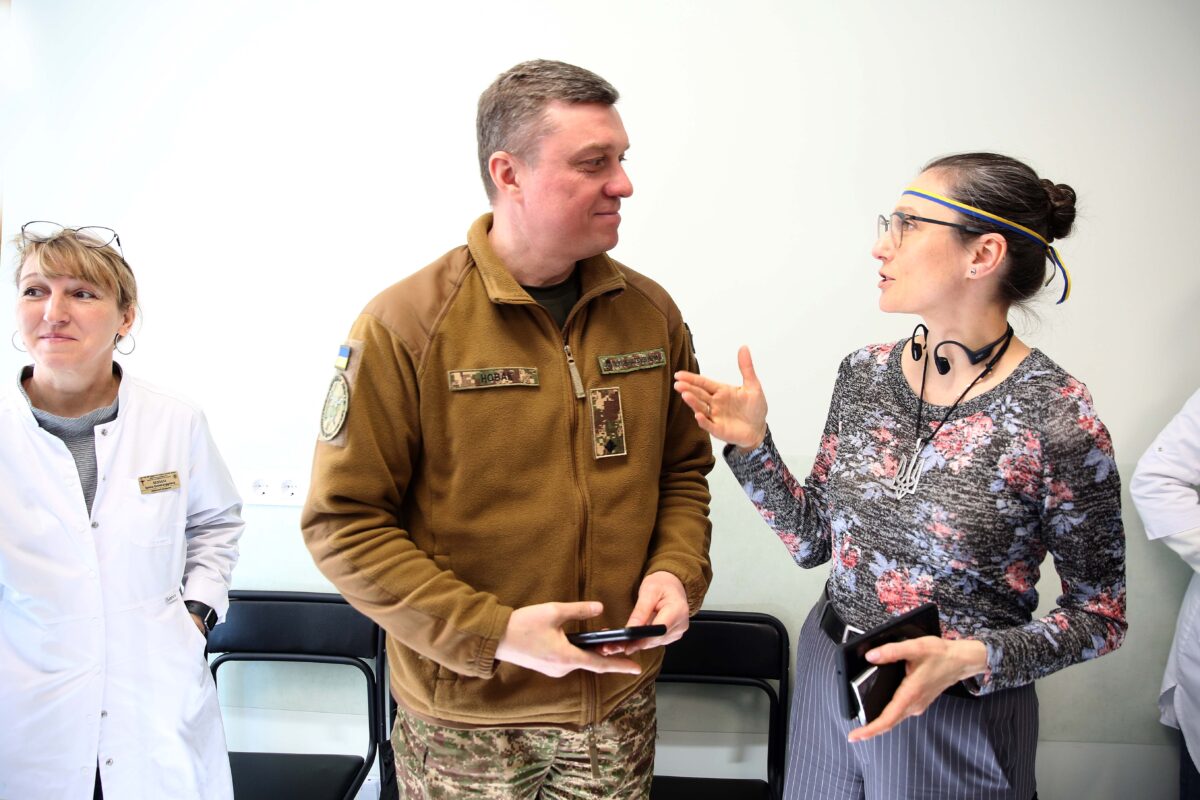
At the heart of this initiative is an exchange of expertise between Home Base, Harvard Medical School and Mass General Brigham specialists, alongside their Ukrainian counterparts. By working together, they aim to ensure that new approaches to mental and brain health care are effectively implemented and tailored to Ukraine’s specific needs.
Among those leading these efforts were senior leaders from Home Base, GRM, Harvard Medical School, Mass General Brigham psychiatry and physiatry experts and the Benson-Henry Institute for Mind Body Medicine at MGH. Home Base specialists, who focus on treating the invisible wounds of war, spent the week engaging with Ukrainian physicians, visiting medical facilities and assessing the mental, neurological and physical rehabilitation needs of wounded Service Members.
This initiative is designed not only to provide immediate support but also to develop long-term solutions for Ukraine’s Service Members, Veterans and their Families. Key areas of focus include enhancing resilience strategies for frontline personnel using trainings developed at the Benson-Henry Institute in collaboration with Home Base, developing interventions for emerging threats such as drone warfare and establishing sustainable rehabilitation and reintegration models to support the hundreds of thousands of Ukrainian Service Members and Veterans transitioning back to civilian life.
Phase Two of the initiative will begin at the end of April when Home Base welcomes their eight Ukrainian mental health counterparts to Boston for an immersive fellowship at Home Base, MGB Psychiatry, Spaulding Rehabilitation Hospital and the Benson Henry Institute for Mind Body Medicine. Ukrainian medical professionals will train alongside Home Base, MGH and Harvard Medical faculty to adapt and implement a Veteran and family mental health care model tailored to Ukraine’s needs. Home Base’s experience supporting more than 45,000 U.S. Veterans and Service Members since 2009 at its Center of Excellence in Charlestown, Massachusetts, will serve as a foundation for developing similar centers in Ukraine.
Additionally, Home Base will introduce its “Resilient Warrior Performance Program”, equipping Ukrainian frontline personnel with practical tools to enhance resilience and performance under combat conditions. A structured fellowship program will also be explored, allowing Ukrainian physicians to train at Home Base and Mass General Brigham, laying the groundwork for long-term mental health support for Ukraine’s Service Members, Veterans and their Families.
“In the conditions of a full-scale war, Ukraine is facing unprecedented challenges in the field of medical care for military personnel, veterans and their families,” said Lilia Boyko, Director of the Department of Health of the Ministry of Internal Affairs of Ukraine. “Protecting the country is not only about fighting on the front lines, but also supporting those who return from war with injuries that are not always visible from the outside. The so-called “invisible wounds” of war require special attention – psychological and traumatic brain injuries, which affect the health of our defenders and their reintegration into the society.
Cooperation with Home Base and Global Response Medicine is an important step towards creating a support system that will help our defenders even after the war ends. International experience, adapted to Ukrainian realities, will allow us to introduce new approaches to the treatment of combat stress, traumatic brain injuries and other consequences of war.
We are grateful to our partners for their support and willingness to share knowledge. This will not only help improve the treatment of Ukrainian military personnel, but will also contribute to the formation of a sustainable medical care system that will work for the future. War leaves deep traces in the minds of everyone who experiences it, and we must do everything possible to ensure that our defenders receive high-quality and timely assistance.
The Ministry of Internal Affairs of Ukraine is ready to fully facilitate the implementation of this initiative and ensure its effective integration into our medical system. We believe that thanks to this cooperation we will be able to provide our military not only with proper medical care, but also a chance for a full life after the war.”
“Since GRM entered Ukraine just eight days after the Russian invasion began in 2022, we’ve witnessed firsthand the devastating toll this war has taken on both body and mind,” said Andrea Leiner, Deputy Director of Global Response Medicine. “For the past three years, we have focused on acute trauma medicine through direct care and professional exchange programs while closely tracking the growing impact of brain injuries and combat stress on Ukraine’s soldiers and Veterans. When the Ukrainian government asked us to expand into invisible wounds, we immediately turned to our friends at Home Base, knowing they are the best in the field.
By bringing together Ukrainian mental health leaders—who are treating unprecedented patient volumes and injury patterns—with American experts who have decades of experience caring for combat Veterans, we are fostering a critical knowledge exchange. This collaboration not only supports Ukraine’s service members and their families but also drives advancements in medical care, which will extend to US service members as well.”
“As Americans who have confronted the complex challenges of the Global War on Terror, we have a profound responsibility to share our hard-learned lessons with our allies and friends in Ukraine,” said Krystal Garvin, Executive Director of Global Response Medicine. “The invisible wounds of war do not discriminate by nationality, and the expertise developed through treating our own Veterans must now be passed on to support Ukraine’s healthcare system. It is both an honor and a privilege to stand side by side with the Ukrainian people as they face an unprecedented mental health crisis that will affect their current 1.2 million Veterans and potentially 5 million more in the coming years. This collaboration represents our enduring commitment to ensuring no warrior, regardless of the flag they serve under, is left to face these challenges alone.”
“We are deeply grateful to Ukraine, its leadership, dedicated medical staff and its incredibly proud and resilient people for hosting us and for GRM’s continued dedication to implementing projects that are critical to Ukraine’s medical and military communities,” said Michael Allard, Chief Operating Officer of Home Base who was among the Home Base leadership who made the trip to Ukraine. “Immersing ourselves into this proud country’s fight to protect and heal its people was a humbling honor that comes with great responsibility. In addition to Ukrainian Soldiers on the front line, every man, woman and child across the country faces daily missile and drone attacks. Tens of thousands are injured and the need to treat, heal and recover is unprecedented. We look forward to sharing Home Base’s innovative and effective care models with our Ukrainian medical leader teams to provide world-class treatment and rehabilitation for their wounded warriors.”
Dr. Ron Hirschberg, Medical Director, Brain Health Program at Home Base, emphasized the importance of being on the ground as a provider, stating, “Being here in Ukraine, side by side with those who have given so much for their country, has been incredibly humbling. As providers, we have the responsibility to listen and learn from their experience in order to best support these brave individuals as they navigate the physical and emotional toll of war. This experience reinforces the urgent need for comprehensive mental health care and reintegration programs, and I am honored to be part of this mission.”
“It is an honor to support this work alongside Global Response Medicine in Ukraine, Retired Brig. Gen. Jack Hammond, Executive Director of Home Base, said. “Their unwavering commitment to providing critical care in some of the most challenging environments is truly inspiring. By working together, we can share expertise, develop essential training programs, and ultimately improve the lives of those who have sacrificed so much.”
“We are proud to integrate the Benson-Henry Institute’s proven mind-body medicine techniques into this vital program supporting Ukraine,” said Greg Fricchione, Director of the Benson-Henry Institute. “Through our collaboration with Home Base and GRM, we can share expertise, develop essential training programs, and, most importantly, bring this care to Ukraine’s Soldiers and their Families as well as caregivers who need it most.”
About Home Base
Home Base is a national non-profit founded by the Boston Red Sox and Mass General Hospital. Home Base is dedicated to healing the invisible wounds of war for Veterans, active-duty Service Members, Military-Connected Families and Families of the Fallen. Home Base leverages the incredible medical resources of the Mass General Brigham, Spaulding Rehabilitation Hospital, and the greater Harvard Medical School, to create innovative models of care. Since inception, Home Base has provided clinical care and support to more than 45,000 U.S. Veterans, Service Members and Families across the nation – all at no cost to them. For more information visit homebase.org. As Home Base’s impact has grown, allied nations have increasingly turned to Home Base to learn about its innovative approach to providing healing and hope.
About Global Response Medicine (GRM):
Global Response Medicine (GRM) is a U.S. Veteran-founded 501(c)(3) nonprofit organization that delivers emergency medical care and advanced clinical training to populations impacted by conflict and disaster. Founded in 2017, GRM operates in high-risk, low-resource environments, integrating principles from military, academic, and prehospital medicine to further evidence-based response. With missions in 10 countries and more than 150,000 people served, GRM has a proven track record of effective deployments in Ukraine, Iraq, Sierra Leone, Mexico, and beyond. GRM goes where others won’t to do what others can’t. Our mission is simple, Save Lives. Period. For more information, visit www.global-response.org.
About Benson-Henry Institute (BHI):
The mission of BHI is to fully integrate mind body medicine into mainstream healthcare at the Massachusetts General Hospital, as well as throughout the country and the world, by means of rigorous, evidence-based research and clinical application of this work.
Elyse Park, PhD, MPH Named Director of Research; BHI Research Team Expanding
The Benson-Henry Institute for Mind Body Medicine (BHI) is pleased to announce Elyse R. Park, PhD, MPH as Director of Research. Dr. Park is a Professor of Psychiatry and a Professor of Medicine at Harvard Medical School and has been on staff at Mass General Hospital and Harvard Medical School since 2001 and has led BHI’s behavioral research program for more than a decade. A lead author of the Stress Management and Resiliency Training (SMART) program, Dr. Park is a gifted clinician and researcher with interest in resiliency, cancer prevention and survivorship, and tobacco treatment research.
“I am very excited about the new phase we are entering with our mind body medicine research,” said BHI Director Gregory L. Fricchione, MD. “Dr. Park is a visionary leader and one of MGH’s most successful researchers. She not only took the lead in manualizing the SMART program but has adapted it for use as a burnout prevention tool, as a support for cancer survivors and other medically vulnerable populations, clinicians, interpreters, and healthcare workers, and as a curriculum for children, siblings and parents of children with autism and special needs, among many other projects. She explores innovative delivery mechanisms, including hybrid and digital modalities.”
Dr. Park is also the founding director of MGH’s Health Promotion and Resiliency Intervention Research Center (HPRIR), serves as Director of the Qualitative and Mixed Methods Research Unit of the MGH Division of Clinical Research and as Director of the MGH Cancer Center’s Smokefree Support Service.
“It is a great honor to lead the Institute’s research mission. We have an incredibly talented transdisciplinary team of researchers and clinicians who are conducting innovative, critical work to improve the wellbeing of our most vulnerable patients, dedicated clinicians and caregivers, and diverse communities,” Dr. Park said. “Our passion for this clinical research is fueled by Dr. Benson’s clairvoyant vision and the increasing growing needs for accessible mind-body and resiliency treatment.”
In addition to Dr. Park, noted neuroimaging and meditation researcher Sara Lazar, PhD, a longtime BHI collaborator; and mindfulness expert and researcher Christina Luberto, PhD; will join the institute as it looks to build and expand our tradition of clinical and mechanistic research.
“Under Dr. Park’s leadership, we enjoy a strong collaboration with the group of talented young health psychologists she mentors. We are now growing our research team with the addition of Dr. Sara Lazar, who is well-known to us from her pioneering neuroimaging work as one of the world’s premier meditation researchers. Dr. Benson and I enjoyed working with Sara as she began her pioneering neuroimaging career. And it is exciting to support her more recent interests in stress, aging, and meditation and in the planning of new studies on human flourishing. We are also very happy to have Dr. Tina Luberto, an expert in mindfulness and self-compassion, who is well known to us from many previous collaborations, join our team and devoting time to our clinical research efforts in stress and aging research, healthcare utilization and mindfulness and meditation studies,” Dr. Fricchione said.
Current Research Projects addressing:
- Depression and anxiety after a cardiovascular event
- Stress coping and resiliency among teenagers of siblings with autism
- Memory and attention for successful aging
- Healthcare utilization among cancer survivors and their caregivers
Mind-Body Resiliency Data Repository
Additionally, the team oversees an ongoing data repository tracking outcomes of clinical patients and research participants to understand the reach and enhance the effects of our programs and their implementation.
https://bensonhenryinstitute.org/research-data-repository/
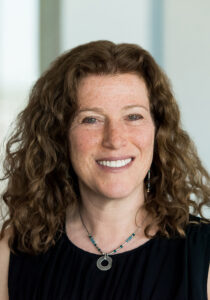 Elyse R. Park, PhD, MPH has extensive experience designating and evaluating behavioral intervention and implementation trials. She founded the Health Promotion and Resiliency Intervention Research Program (HPRIR) in the MGH Departments of Psychiatry & Medicine. Her clinical research focuses on resiliency, health promotion for cancer patients and survivors, cancer risk perceptions, and quality of life for cancer survivors, with a lens of accessible and equitable care for all. She directs the MGH Division of Clinical Research’s Qualitative and Mixed Methods Unit and uses qualitative research to inform intervention development, intervention adaptation, and measurement design. Her research has been supported by funding from the National Cancer Institute, National Center Complementary and Integrative Research Health, the American Cancer Society, the Robert Wood Johnson Foundation, and the National Comprehensive Cancer Network. She has published over 350 peer reviewed original articles
Dr. Park is Director of Research at the Benson-Henry Institute and created the manualized version of the SMART- 3RP which is currently being tested with a variety of individuals with medical illnesses (women undergoing breast biopsy, women with infertility, individuals with cancer), clinicians (palliative care clinicians, cancer care interpreters, frontline clinicians) and healthcare workers, and caregivers (parents of children with special needs, caregivers of cancer survivors). She is also lead investigator and mentor for many mind-body behavioral trials, assessing the feasibility and potential efficacy of integrating the relaxation response into hospital and community-based group and individual treatments delivered in-person and via telehealth and other forms of digital delivery.
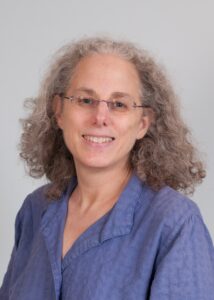 Sara W. Lazar, PhD is an Associate Professor in the Psychiatry Department at Massachusetts General Hospital and Harvard Medical School. The focus of her research is to elucidate the neural mechanisms underlying the beneficial effects of yoga and meditation, both in clinical settings and in healthy individuals. She has also collaborated with clinicians to study the effects on mindfulness on anxiety and depression. Her current work is focused on well-being and personality development. Dr. Lazar has been practicing yoga and mindfulness meditation since 1994 and her research has been covered by numerous news outlets including The New York Times, USA Today, CNN, and WebMD.
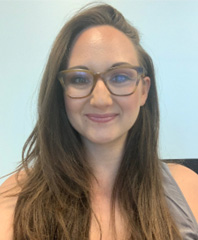 Christina Luberto, PhD, is a licensed clinical psychologist and Assistant Professor in Psychiatry at Harvard Medical School. Her interests center on mindfulness- and compassion-based interventions for emotional and behavioral health promotion in people with heart disease. Dr. Luberto is a staff psychologist and clinical researcher at Massachusetts General Hospital where she works as Associate Director for Mindfulness Research and Programs in the Health Promotion and Resiliency Intervention Research Center, and Associate Director for Compassion-based Research at the Benson-Henry Institute for Mind-Body Medicine. She is founding Director of the MGH Women’s Heart Health Mindful Living Center, a clinical and research center focused on evidence-based mindfulness and mind-body interventions for patients with heart disease.
The Benson-Henry Institute for Mind Body Medicine
Named for Founder Herbert Benson, MD, a cardiologist and pioneer of mind body medicine, and American businessman and Boston-based philanthropist John W. Henry, the Benson-Henry Institute was established at Massachusetts General Hospital in 2006 to provide coordinated mind body care practices to patients and clinicians, conduct research into the value of integrative medicine, and promote the use of mind body medicine in healthcare systems. BHI has conducted some of the most cutting-edge research demonstrating the healing effects of stress management and reduction. Today, the institute provides direct care to patients and trains hundreds of clinicians around the world in the delivery of its copyrighted Stress Management and Resiliency Training (SMART) and Positivity and Relaxation Training (PART) programs in clinics, community settings and universities around the world.
The Passing of Herbert Benson, MD
It is with great sadness that we announce the passing of our founder, Herbert Benson, MD, Director Emeritus of the Benson-Henry Institute of Mind Body Medicine at Massachusetts General Hospital and Mind Body Professor of Medicine at Harvard Medical School.
A pioneer of mind body medicine, Dr. Benson defined the relaxation response, the physiological counterpart of the fight-or-flight response. Throughout a career spanning five decades, he researched the efficacy of the relaxation response in counteracting the harmful effects of stress. His research extended from the laboratory, to the clinic, to Asian field expeditions and served as a bridge between medicine and spirituality, East and West, mind body, belief and science.
“Herb was a visionary, and a father of mind body medicine. He believed that humans have a great capacity for healing, and that self-care techniques, along with medication and medical procedures, can form ‘the three-legged stool’ of an ideal healthcare model,” said Gregory L. Fricchione, MD, Director of the Benson-Henry Institute (BHI). “Early on, when some others scoffed at his work in this area, he persevered and history has proven him to be prescient; as we live through this pandemic for example, we find that self-care and stress management and resilience are tools and skills that we need to survive and thrive.”
Dr. Benson was the author or co-author of more than 190 scientific publications and 12 books, including The Relaxation Response (1975), a New York Times bestseller that sold more than 6 million copies and was translated into multiple languages. The small, red paperback was read far and wide and influenced generations of trainees and researchers; many of whom became leaders in the field, Dr. Fricchione said.
Born April 24, 1935, in Yonkers, NY, Dr. Benson was a graduate of Wesleyan University and Harvard Medical School. As a young cardiologist, Dr. Benson and his colleagues established a scientific basis for the mind body connection by studying the effect of stress and relaxation on blood pressure; he was one of the first people to establish the physiologic underpinning of the mind body connection.
In the very room at Harvard Medical School where the “fight or flight,” or stress response, was delineated by Walter B. Cannon in the early 1900s, Dr. Benson and colleagues described its opposite. Specifically, they found that meditation reduced metabolism, rate of breathing and heart rate, and modulated brain activity. Dr. Benson labeled these changes the “relaxation response.”
Dr. Benson explained two basic steps to elicit the relaxation response: 1) the repetition of a sound, word, phrase, prayer, or movement, and 2) the passive setting aside of intruding thoughts and with a return to repetition. These 2 steps break the train of everyday thinking.
He also found that a person could bring about the relaxation response using any number of meditative techniques, such as repetitive prayer, qigong, tai chi, yoga, progressive muscle relaxation, belly breathing, even activities like knitting.
In 1979, Dr. Benson met the Dalai Lama, spiritual leader of Tibet, during a visit to Harvard University. The two forged a decades-long friendship, which led to several expeditions to northern India where many Tibetan monks live in exile. During visits to remote monasteries in the 1980s, Benson and his team were among the first researchers allowed to study the ancient meditative traditions of monks living in the Himalayan Mountains.
Although a best-selling author with the opportunity to become a celebrity doctor, Dr. Benson was committed to science and evidence-based medicine. He was courageous in researching the mind body relationship at a time when many in academic medical circles expressed skepticism. New research technologies in epigenetics, neuroimmunology, transcriptomics and MRI and PET scanning have demonstrated that Dr. Benson was ahead of his time regarding the bidirectional effects of mind on body and body on mind.
“In our family Dr. Benson was affectionately referred to as ‘Dada’ which translates to big brother or grandfather. He always had that presence at the Institute – he was your big brother or grandfather, looking out for you,” said Darshan Mehta, MD, MPH, BHI’s Medical Director. “His life in many ways was about living a life of courage – fighting – he firmly believed that the path to integrating wisdom traditions or practices into modern medicine was through understanding the science and in that way, he believed in all of us. I firmly believe that my own career reflects that conviction.”
In 1978, Dr. Benson developed the first Harvard Medical School CME course in behavioral medicine. In 1995, he delivered the first Harvard Medical School CME courses in mind body medicine and in spirituality and healing in medicine.
“Fulfillment is so closely aligned with being of service. For those of us whose clinical practice has been shaped by Dr. Benson, we owe a debt of gratitude. His pioneering work paved the way for integration of a holistic and self-care approach in medicine. It feels as if a little piece of us died with him, given the vital role he’s played in deepening the service of healing professions,” said Peg Baim, MS, NP of BHI. “If the measure of one’s life is viewed from the magnitude of benefit brought to others, Dr. Benson’s life was immense. Through the years, inspired by his research and writings, legions of healthcare professionals have been drawn to mind body medicine and countless more patients have ‘remembered wellness’ thanks to the generosity of his spirit and his dedication to the science and wonder of mind body interactions.”
He testified several times before the U.S. House and Senate, and was instrumental in appropriating millions of dollars to the National Institutes of Health and the Centers for Disease Control and Prevention for mind body and behavioral medicine research. He was a founding trustee of The American Institute of Stress and received numerous awards, accolades and honorary degrees during his distinguished career. This paved the way for many other scientists to work in mind body medicine.
In 1969, he began his academic career at Harvard Medical School; he was on the staff of the Deaconess Hospital, Beth Israel Hospital and Beth Israel Deaconess Medical Center before becoming the founding president of the Mind/Body Medical Institute. He remained in that position until 2006, when it was integrated into Massachusetts General Hospital as the Benson-Henry Institute for Mind Body Medicine thanks to the support of the hospital and philanthropist and businessman John Henry. Dr. Benson remained active as Director Emeritus of BHI until his death.
“Herb was renowned for the warmth of his personality and his optimism. I will always remember fondly riding in elevators with him as he proceeded to make friends with everyone over the course of a few floors. He had the healer’s touch,” Dr. Fricchione said.
Dr. Benson was immensely proud of his family; he leaves behind his wife, Marilyn Wilcher Benson, founder of BHI’s Resilient Youth Program; son Dr. Gregory Benson of New Jersey; and daughter, Jennifer Benson-Bufferd of Illinois; and four grandchildren. Arrangements have not been finalized, but a celebration of life will be planned at MGH at a later date.
Register for The Herbert Benson, MD Course in Mind Body Medicine October 30 – November 1, 2025
Harvard Medical School CME In-Person in Boston, MA AND via Live Streaming
Registration is now open for The Herbert Benson, MD Course in Mind Body Medicine, the Benson-Henry Institute’s celebrated continuing medical education (CME) course, offered in partnership with Harvard Medical School.
The course will be held live, in person at the Fairmont Copley Hotel in Boston, MA and will be livestreamed to participants around the world. Video recordings of all talks will be available to all conference-goers for up to 60 days. BHI is also offering two optional online pre-course workshops, Mind Body Approaches to Weight Management and Group Medical Visits to Guide Patients to Healthier Lifestyle Behaviors.
“The Herbert Benson Course in Mind Body Medicine is an opportunity for clinicians, researchers, scientists and mind body enthusiasts to explore the latest research and learn the best techniques in mind body medicine. Our work – providing patients with skills to build resilience and improve wellbeing – are essential as we rebound from the pandemic and face a multitude of other stressful challenges at home and abroad. We are so pleased to be able to meet each other again in person this fall, and to provide online streaming to participants around the world. The course provides a wonderful opportunity to connect and collaborate with colleagues around the world,” said BHI Director Gregory Fricchione, MD. “We have an impressive line-up of keynotes and experts in the field, and we offer two wonderful optional half-day courses on mind body approaches to weight management and delivering mind body medicine in group visits.”
Keynote speakers are Yvette Cozier, DSc, an investigator on the Black Women’s Health Study (BWHS) and the BWHS Sarcoidosis Study at the Slone Epidemiology Center at Boston University; Stephen Post, PhD, a researcher and expert on the benefits and links between altruism, compassion, happiness, healing and health; Adam Rodman, MD, MPH, whose research research focuses on medical education, clinical reasoning, integration of digital technologies, and human-computer interaction, especially with AI; Dr. K.“Vish” Viswanath, PhD, who studies how communication and social media can impact health decisions, mitigate adversity and build resilience; and Rochelle Walensky, MD, MPH, the 19th Director of the Centers for Disease Control and Prevention during the COVID 19 pandemic and currently a Senior Fellow of the Women and Public Policy Program at the Harvard Kennedy School of Government.
This program is among the highest-rated Harvard Medical School CME course. The Harvard Medical School is accredited by the Accreditation Council for Continuing Medical Education (ACCME) to provide continuing medical education for physicians. The Harvard Medical School designates this live activity for a maximum of 25.75 AMA PRA Category 1 Credits™. Physicians should claim only the credit commensurate with the extent of their participation in the activity. For additional accreditation information, please see below.
Participants will get
- The latest clinical approaches and integrative models of care
- Cutting-edge research into the linkages between the brain and the body
- Education on genomics, transcriptomics, metabolomics ad how to leverage recent advances in the neuroimaging of contemplative states
- Current data on stress, stress management and resilience enhancement, and their impacts on patient health and treatment options
For course scheduling, information and to register, please visit mindbody.hmscme.com. Register by September 20th for an early bird discount.
About our Keynotes
 Yvette Cozier, ScD
Dr. Yvette Cozier is an Associate Professor of Epidemiology, and the Associate Dean of Diversity, Equity, Inclusion and Justice (DEIJ) at Boston University School of Public Health. She is also a Senior Epidemiologist at the Slone Epidemiology Center at Boston University School of Medicine where she co-leads the Black Women’s Health Study (BWHS), a National Institutes of Health (NIH)-funded follow-up of over 59,000 African American women begun in 1995.
As of July 1st, Dr. Cozier is the Immediate Past President of the Society for Epidemiologic Research (SER), the nation’s oldest and largest general epidemiology organization. As a social epidemiologist, Dr. Cozier’s overall research focus is on the influence of psychosocial and structural factors (e.g., interpersonal racism, neighborhood socioeconomic status) – on health, including the development of chronic cardiometabolic (obesity, type-2 diabetes), immune-mediated (lupus, sarcoidosis, inflammatory bowel disease), neurologic (Insomnia, Parkinson’s disease) and dental (periodontal disease, tooth loss) conditions.
She has published several articles on the role of attitudes about spirituality and religiosity on health.
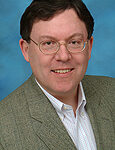 Stephen Post, PhD
Stephen G. Post is Professor of Family, Population and Preventive Medicine & Founding Director of the Center for Medical Humanities, Compassionate Care and Bioethics (2008-present) at Stonybrook University. Previously he was Professor of Bioethics in the Department of Bioethics of the Case Western Reserve University School of Medicine (1988-2008). He also taught at the University of Chicago Pritzker School of Medicine.
Dr. Post is an Elected Fellow of the New York Academy of Medicine (2013-present), and of the College of Physicians of Philadelphia for “distinguished contributions to medicine” (2004-present). He is an elected Fellow of the Hastings Center “for distinguished contribution to ethics and the life sciences” (1994 -present) and of the Kennedy Institute of Ethics, Georgetown University (1990-1995).
He has received the United States Congress Certificate of Special Recognition “In Recognition of Outstanding Achievement” (2012); and the Pioneer Medal for Outstanding Leadership in Health Care (shared with Dr. Edmund D. Pellegrino, MD) from HealthCare Chaplaincy New York (2012).
Post was selected as the Public Member of the United States Medical Licensing Examination (USMLE) Composite Committee (jointly established by the Federation of State Medical Boards of the United States and the National Board of Medical Examiners, the Composite Committee is responsible for oversight and policy in all aspects of the USMLE program) (2000-2003); he was reappointed on the basis of “greatly appreciated contributions” for a second term (2004).
Dr. Post is the primary author of over 200 articles in peer-reviewed journals such as Science, Annals of Internal Medicine, The Journal of Religion, The American Journal of Psychiatry, First Things, Dementia, The Journal of the American Medical Association, and The Lancet. Post served as Editor-in-Chief of the 5-volume Encyclopedia of Bioethics, 3rd edition (Macmillan Reference 2004). His best-selling books include The Hidden Gifts of Helping and Why Good Things Happen to Good People (with co-author Jill Neimark). He is the editor of 14 books and the author of eight.
His book The Moral Challenge of Alzheimer’s Disease: Ethical Issues from Diagnosis to Dying (Johns Hopkins University Press, 2000, 2nd edition) was designated a “medical classic of the century” by the British Medical Journal (2009), which wrote, “Until this pioneering work was published in 1995 the ethical aspects of the one of the most important illnesses of our aging populations were a neglected topic.” Post is an elected Member of the Medical and Scientific Advisory Board of Alzheimer’s Disease International, and one of only three recipients of the Alzheimer’s Association Distinguished Service Award “in recognition of personal and professional outreach to the Alzheimer’s Association Chapters on ethics issues important to people with Alzheimer’s and their families” (1998).
Post has been quoted in more than 3,000 national and international newspapers and magazines including the New York Times, the Los Angeles Times, U.S. News and World Report, The Wall Street Journal, the Washington Post, Psychology Today, and USA Today. He has also been interviewed on major television and radio news shows, including ABC 20/20 Holiday Special 2006 on “Giving in America,” Nightline, The Daily Show, John Stossel, “Talk of the Nation,” and The Dr. Oz Show
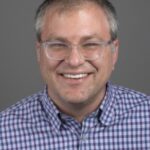 Adam Rodman, MD, MPH
Adam Rodman is a general internist and medical educator at Beth Israel Deaconess Medical Center and an assistant professor at Harvard Medical School. He is the Director of AI Programs for the Carl J. Shapiro Center for Education and Research and he leads the task force for integration of AI into the medical school curriculum. He is also an associate editor at NEJM AI. His research focuses on medical education, clinical reasoning, integration of digital technologies, and human-computer interaction, especially with AI. His first book is entitled “Short Cuts: Medicine,” and he is the host of the American College of Physicians podcast Bedside Rounds.
Adam completed his residency in internal medicine at Oregon Health and Science University in Portland, OR, and his fellowship in global health at Beth Israel Deaconess Medical Center while practicing in Molepolole, Botswana. He lives in Boston with his wife and two young sons.
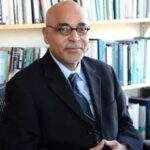 Kasisomayajula Viswanath, PhD
Dr. K. “Vish” Viswanath is Lee Kum Kee Professor of Health Communication in the Department of Social and Behavioral Sciences at the Harvard T. H. Chan School of Public Health (HSPH) and in the McGraw-Patterson Center for Population Sciences at the Dana-Farber Cancer Institute (DFCI). He is also the Faculty Director of the Health Communication Core of the Dana-Farber/Harvard Cancer Center (DF/HCC). Other additional administrative and scientific leadership positions held by Dr. Viswanath include: Director of the Center for Translational Communication Science, DFCI; Director, Harvard Chan India Research Center and Director, Lee Kum Sheung Center for Health and Happiness, Harvard Chan. He is the founding Director of DF/HCC’s Enhancing Communications for Health Outcomes (ECHO) Laboratory.
Dr. Viswanath’s work is driven by two fundamental concerns: (a) how to center equity in drawing on translational communication science to promote health and well-being for ALL population groups, and (b) to involve community-based organizations and stakeholders through participatory research in promoting social change. The ultimate goal of the program of research in his lab is to influence public health policy and practice through knowledge translation and translational communication. His work draws from literatures in communication science, social epidemiology, dissemination and implementation, and social and health behavior sciences.
His work so far has documented the relationship between communication inequalities, poverty and health disparities, and knowledge translation to address health disparities. He has written more than 300 journal articles and book chapters concerning communication inequalities and health disparities, knowledge translation, public health communication campaigns, e-health and digital divide, public health emergency preparedness and the delivery of health communication interventions to underserved populations. He is the Co-Editor of four books and monographs: Mass Media, Social Control and Social Change (Iowa State University Press, 1999), Health Behavior and Health Education: Theory, Research & Practice, 5th Ed. (Jossey Bass, 2015), The Role of Media in Promoting and Reducing Tobacco Use (National Cancer Institute, 2008) and A Socioecological Approach to Addressing Tobacco-Related Health Disparities (National Cancer Institute, 2017) and a co-author of The First 1000 Days of Life: Lessons from Social and Behavior Change Communication (Ministry of Women and Child Development, Government of India, 2021). He was also the Editor of the Social and Behavioral Research section of the 12-volume International Encyclopedia of Communication (Blackwell Publishing, 2008)
He has served and continues to serve on several national committees including for the US Department of Health and Human Services (HHS), the Centers for Disease Control and Prevention (CDC) and the National Academy of Sciences, Engineering and Medicine (NASEM). He is currently the Chair of NASEM’s Consensus Study Committee on Understanding and Addressing Science Misinformation, a member of the Standing Committee on Advancement of Science Communication at NASEM, and was a member of NASEM’s Planning Committee on The Public Health Infodemic and Trust in Public Health as a National Security Threat: A Workshop.
In recognition of his academic and professional achievements, Dr. Viswanath received several awards and honors.
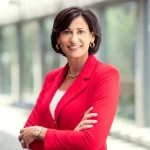 Rochelle Walensky, MD, MPH
Dr. Rochelle Walensky served as the 19th Director of the Centers for Disease Control and Prevention (2021-2023), Professor of Medicine, Harvard Medical School (2012-2021), and Chief of the Division of Infectious Diseases, Massachusetts General Hospital (2017-2021). She currently serves as a Senior Fellow of the Women and Public Policy Program at the Harvard Kennedy School of Government. She is also a Hauser Leader, at the Center for Public Leadership, Senior Fellow, Belfer Center for Science and International Affairs and an Executive Fellow of the Harvard Business School.
Dr. Walensky is an infectious disease clinician whose research career is guided by a belief that the clinical and economic outcomes of medical decisions can be improved through the explicit articulation of choices, the systematic assembly of evidence, and the careful assessment of comparative costs and benefits. She has focused these beliefs on mathematical model-based research toward the promotion of global access to HIV prevention, screening, and care. Her ground-breaking work and over 300 research publications have motivated changes to US HIV testing and immigration policy; promoted expanded funding for HIV-related research, treatment, and the President’s Emergency Plan for AIDS Relief (PEPfAR); and led to policy revisions toward aggressive HIV screening – especially for the underserved – and earlier treatment in resource-limited international settings. In light of these contributions, Dr. Walensky has been an active member of policy discussions at the WHO, UNAIDS, the DHHS HIV Guidelines Committee, and the NIH Office of AIDS Research.
Dr. Walensky served on the frontlines of the COVID-19 pandemic in Massachusetts until beginning her tenure at the CDC on January 20th, 2021. While at the CDC, Dr. Walensky led the nation—and the world—through unprecedented times, navigating the darkest days of the COVID-19 pandemic and further facing the largest density of diverse infectious threats likely ever seen in this country. During her tenure, she participated in nearly 100 press conferences and countless media appearances, and provided testimony at 17 Congressional hearings.
Dr. Walensky is a member of the American Academy of Physicians, National Academy of Medicine and the Council on Foreign Relations. She currently serves on the Board of Trustees at the Doris Duke Foundation and The Carter Center.
Dr. Walensky received her BA (Biochemistry and Molecular Biology, 1991) from Washington University in St. Louis; her MD from the Johns Hopkins School of Medicine (1995) and her MPH from the Harvard School of Public Health (Clinical Effectiveness, 2001). She completed her Internal Medicine residency at the Johns Hopkins Hospital (1995-1998) and her Infectious Disease fellowship at the Massachusetts General/Brigham and Women’s Hospital combined program (1998-2001).
ADDITIONAL ACCREDITATION INFORMATION:
NURSE PRACTITIONERS and REGISTERED NURSES
Harvard Medical School designates this live activity for a maximum of 25.75 ANCC contact hours.
PSYCHOLOGISTS
Continuing Education (CE) credits for psychologists are provided through the co-sponsorship of the American Psychological Association (APA) Office of Continuing Education in Psychology (CEP). The APA CEP Office maintains responsibility for the content of the programs.
SOCIAL WORKERS
As a Jointly Accredited Organization, Harvard Medical School is approved to offer social work continuing education by the Association of Social Work Boards (ASWB) Approved Continuing Education (ACE) program. Organizations, not individual courses, are approved under this program. Regulatory boards are the final authority on courses accepted for continuing education credit. Social workers completing this course receive 25.75 general continuing education credits.
RISK MANAGEMENT
This activity meets the criteria of the Massachusetts Board of Registration in Medicine for 3.00 credits of Risk Management Study. This includes:
- 2.00 credits of Medical Marijuana Training
Please check your individual state licensing board requirements before claiming these credits.
PHYSICIAN ASSISTANTS
The National Commission on Certification of Physician Assistants (NCCPA) states that AMA PRA Category 1 Credits™ are acceptable for continuing medical education requirements for recertification. We would also suggest that learners check with their state licensing board to ensure they accept reciprocity with AMA PRA Category 1 Credit™ for re-licensure.
CANADIAN ACCREDITATION
The Royal College of Physicians and Surgeons of Canada recognizes conferences and workshops held outside of Canada that are developed by a university, academy, hospital, specialty society or college as accredited group learning activities.
EUROPEAN ACCREDITATION
The American Medical Association (AMA) has an agreement of mutual recognition of continuing medical education (CME) credit with the European Union of Medical Specialties (UEMS). Additional information regarding this agreement may be found here: https://www.uems.eu/areas-of-expertise/cme-cpd/eaccme
ABMS/ACGME COMPETENCIES
This course is designed to meet the following American Board of Medical Specialties and Accreditation Council of Graduate Medical Education competencies:
- Interpersonal and Communication Skills
- Medical Knowledge
IOM COMPETENCIES
This course is designed to meet the following Institute of Medicine competencies:
- Provide Patient-Centered Care
- Employ Evidence-Based Practice
Questions? Please contact Jocelyn Meek at jmeek@mgb.org for further information.
How to Manage Stress & Enjoy the Holidays
The holidays can be the best of times, and the worst of times. Try to find a good balance by being mindful of your own needs and recognizing the importance of social connectedness over consumerism.
“The holidays can be an exciting time of anticipation and joy, but they can also be a time of elevated stress,” says BHI Director of Research Elyse Park, PhD, MPH. “Try to stay focused on the aspects of the holiday you appreciate – the people you enjoy, familiar foods and songs, and pleasurable traditions. Try to not let the extra hassles and pressures of the season get to you. Make one meaningful, attainment goal for the new year!”
Here are a few resiliency tips that Dr. Park suggests you can do to make your holiday season bright:
- Appreciation – While we tend to focus on giving to others during this season, we can also make the holidays a time of gratitude: take time out to note the smaller appreciations of life – hearing the soothing holiday music, the familiar sights and scents of the season and appreciating others who are gifts in our lives.
- Self-Care – Make sure that you are preserving your sleep, engaging in mindful eating (i.e. partaking holiday treats in moderation) and still keeping physically active in spite of the cold. Cherishing oneself is really important!
- Stress awareness – We need to recognize that positive things like holidays can be very stressful; our To Do lists can weigh us down. Be aware of what holiday obligations or preparations are most stressful to you and evaluate which ones you really need to engage in – i.e. do you really need to send 100 holiday cards? Would it be better to make a few phone calls or consider an electronic card?
- Social connectedness – The holidays are about togetherness, but they can also have the opposite effect. Often people feel lonely during this time, reflecting on a lost loved one or missing someone who is far away. We can help others by reaching out through acts of kindness, like making a treat or a small gift or by taking part in volunteer activities for those who are less fortunate. We can also remedy our own sense of loneliness by reaching out and expressing gratitude to the people in our lives. Humans are all about connectedness – show those around you that you appreciate their presence and feel fortunate to have them in your life!
- Creativity – Instead of spending money on things (and often feeling financially stressed about gift giving) consider tapping into your own creativity to make thoughtful, personalized gifts – cards, poems and other meaningful items. Give homemade baked goods or just a note to say Happy Holidays. It is the thought that matters, not the price.
